The American landscape contains millions of acres of protected public and private wilderness, stretching from the temperate rainforests of the Pacific Northwest to the hyper-arid sandstone arches of the Colorado Plateau. Traditionally, experiencing these environments meant pitching a nylon tent on a compacted gravel pad or navigating the dense infrastructure of recreational vehicle parks. Today, a sophisticated tier of high-end outdoor hospitality has emerged, offering climate-controlled canvas pavilions, custom-built treehouses, and restored vintage aluminum trailers perched on pristine private acreage.
However, scaling high-end hospitality in remote natural settings introduces profound operational hurdles. Properties must generate their own power, manage wastewater without contaminating local watersheds, and withstand severe seasonal weather fluctuations ranging from sub-zero mountain blizzards to blistering desert heatwaves, all while maintaining the pristine aesthetic expectations of high-paying guests. These structural demands require a delicate balance between engineering resilience and environmental preservation.
Ultimately, evaluating top-tier outdoor retreats requires a synthesis of architectural analysis, logistical forecasting, and environmental awareness. By examining properties through the lens of structural engineering, resource self-sufficiency, and geographic context rather than promotional marketing narratives, travelers and developers alike can appreciate the true complexity of modern wilderness design.
Understanding “luxury camping spots USA.”
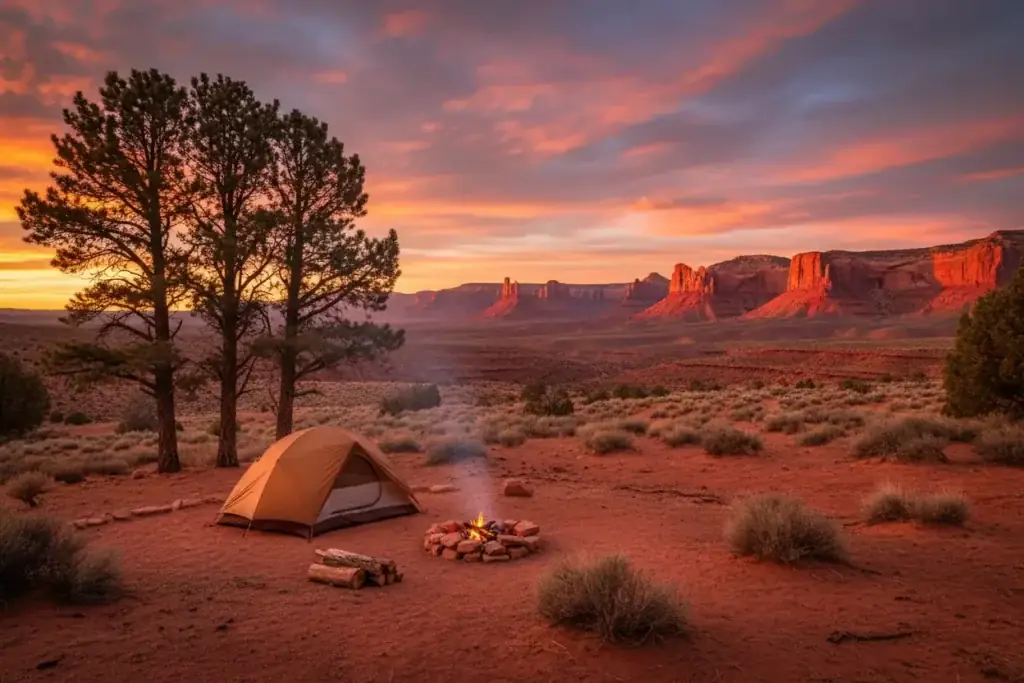
Analyzing the phrase luxury camping spots USA requires evaluating objective architectural standards, environmental impact metrics, and hospitality economics alongside subjective aesthetic preferences. The phrase is frequently oversimplified as a marketing buzzword for expensive canvas tents. In professional hospitality management and serious environmental planning, identifying elite outdoor retreats involves a rigorous assessment of structural foundations, utility independence, land-use zoning compliance, and ecological carrying capacity.
Perspectives Across the Hospitality and Conservation Sectors
-
The Discerning Traveler Perspective: For guests seeking high-end outdoor experiences, these properties represent an intentional escape from digital hyper-connectivity and urban density. Travelers expect seamless integration with nature combined with uncompromising interior comfort, private spa facilities, and curated culinary programs.
-
The Environmental Conservationist Perspective: For ecologists and public land managers, high-density or improperly managed outdoor hospitality can introduce severe pressures on wildlife corridors, soil compaction, and local water tables. Balancing visitor access with habitat protection requires strict regulatory frameworks, permanent site limits, and zero-impact construction methodologies.
-
The Resort Developer and Operator Perspective: For real estate developers, building upscale outdoor retreats requires navigating complex land-use restrictions, high capital costs for off-grid infrastructure, and compressed seasonal operating windows. Operators must balance the high maintenance overhead of fabric and wood structures exposed to extreme weather against the premium nightly rates commanded by the market.
Common Misunderstandings and Oversimplification Risks
A frequent error among consumers is assuming that all high-end outdoor properties offer a uniform standard of luxury and environmental immersion. Many commercial operations market themselves as elite wilderness retreats while sitting adjacent to major interstate highways or suburban housing developments, lacking genuine isolation and ecological integrity.
Another major oversight is underestimating the vulnerability of fabric-based architecture to severe weather events. Heavy snow loads, high-velocity canyon winds, and torrential seasonal rains test the engineering limits of geodesic domes and safari-style canvas tents. Treating a semi-permanent wilderness structure like a traditional concrete-and-steel hotel can result in catastrophic structural failure during extreme weather anomalies.
Deep Contextual Background: The Evolution of Elite Outdoor Shelter
To understand how high-end outdoor hospitality evolved into a major segment of the American tourism economy, one must trace the historical intersection of royal expeditions, industrial-era conservation, and modern architectural engineering.
1. The Imperial Safari and Exploratory Traditions (19th–Early 20th Century)
The intellectual foundations of modern high-end outdoor lodging trace back to nineteenth-century European and American expeditions into African and Asian wilderness areas. Wealthy explorers, naturalists, and royalty required elaborate field camps featuring heavy canvas pavilions, folding campaign furniture, dedicated dining messes, and large support staffs. While designed for practical survival and cartographic work, these expeditions established an aesthetic template combining rugged outdoor exposure with refined domestic comforts.
2. The Great Camps of the Adirondacks and National Park Lodges (1890s–1930s)
Simultaneously, America’s industrial elite began constructing sprawling private estates in remote natural settings, most notably the “Great Camps” of the Adirondacks and early rustic lodges within national parks like Glacier and Yellowstone. Built using local timber, stone, and massive hearths, these structures married vernacular architecture with elite craftsmanship, proving that sophisticated leisure could coexist with dense wilderness.
3. Modern Fabric Architecture and the Glamping Revolution (2010s–Present)
The contemporary outdoor hospitality movement was supercharged by advances in high-tensile architectural fabrics, modular solar power systems, and digital booking platforms. Engineers developed fluoropolymer-coated membranes and insulated canvas skins capable of maintaining comfortable interior climates across extreme seasonal ranges. Concurrently, travelers increasingly sought experiential, photogenic travel alternatives to traditional urban hotels, transforming niche wilderness camps into a billion-dollar luxury hospitality sector.
Conceptual Frameworks and Mental Models
Applying structured mental models enables developers and travelers to evaluate the structural integrity, ecological footprint, and operational efficiency of remote hospitality properties.
1. The Ecological Footprint to Comfort Ratio (EFCR)
An analytical model that quantifies the sustainability of a remote property by balancing its interior amenity level against its permanent environmental disruption.
-
Formula Breakdown: EFCR = (Total Energy Consumption + Wastewater Volume + Soil Compaction Index) / (Interior Square Footage + Climate Control Precision)
-
Application: A property that utilizes elevated wooden platform pilings (minimizing soil disruption), 100% solar micro-grids, and advanced composting sanitation achieves a low EFCR despite offering high-end interior comforts.
-
Limitation: Assumes accurate tracking of resource inputs and waste outputs by property management.
2. The Infrastructure Isolation Matrix
This operational model categorizes high-end outdoor properties along two key axes: Grid Connectivity versus Meteorological Vulnerability.
-
Zone A (Grid-Integrated Wilderness): Connected to municipal power and water grids, offering maximum utility reliability with minimal off-grid friction, but often located closer to traditional suburban infrastructure.
-
Zone B (Hybrid Autonomous Operations): Relies on a combination of local solar arrays, propane generators, and hauled water systems, requiring active daily resource management by staff.
-
Zone C (Deep Off-Grid Autonomy): Completely isolated operations relying on micro-hydro or advanced solar-battery banks, satellite communications, and closed-loop sanitation systems.
Strategic planning dictates matching guest expectations, maintenance staffing levels, and emergency response protocols to the specific zone classification of the property.
3. The Seasonal Yield Compression Curve
A financial and operational model balancing short operating windows against high fixed capital expenditure requirements.
-
Application: Properties located in high-elevation alpine environments may face a compressed 90-day peak operating window due to winter snow closures, requiring them to generate sufficient revenue during summer months to cover annual maintenance, insurance, and land leases.
-
Limitation: Varies heavily based on winterized cabin investments and regional climate shifts.
Key Categories of Upscale Wilderness Habitats and Trade-Offs
Developing an effective strategy for evaluating and experiencing the best luxury camping spots in the USA requires categorizing the distinct architectural typologies that define the sector.
1. Safari-Style Canvas Pavilions on Elevated Platforms
Heavy-duty architectural canvas stretched over galvanized steel or glulam timber frames, elevated on wooden decks to protect local topsoil and root systems.
-
Trade-Offs: Exceptional canvas breathability and classic aesthetic integration with natural landscapes, but vulnerable to high winds and requires periodic fabric maintenance or replacement.
2. Geodesic Domes and Biosphere Shelters
Triangular-framed lattice structures covered in transparent or opaque polymer panels, offering 360-degree panoramic views of surrounding forests or night skies.
-
Trade-Off: Unmatched panoramic immersion and structural wind resistance, but prone to solar heat-gain accumulation requiring robust HVAC mitigation.
3. Restored Vintage Airstreams and Custom Metal Trailers
Mid-century aluminum travel trailers meticulously restored and outfitted with custom leather upholstery, teak woodwork, and modern wet-room bathrooms.
-
Trade-Off: Iconic retro-modern aesthetic, high mobility, and secure hard-sided shelter, but constrained by compact interior floor plans and fixed ceiling heights.
4. Custom Treehouses and Elevated Canopy Structures
Habitats anchored directly into mature timber or supported by steel pylons suspended high within forest canopies.
-
Trade-Off: Immersive bird’s-eye perspective and complete privacy, but introduces complex structural engineering challenges regarding tree growth dynamics and sway management.
5. Conestoga Wagons and Reimagined Covered Shelters
Canvas-topped wooden wagons modeled after historic frontier transport but upgraded with king-size mattresses, air conditioning, and en-suite bathrooms.
-
Trade-Off: Unique historical charm and high family appeal, but limited interior vertical space and novelty-driven market positioning.
| Habitat Category | Primary Architectural Material | Structural Wind & Snow Tolerance | Primary Operational Vulnerability |
| Canvas Safari Pavilions | Architectural canvas & timber | Moderate | Fabric degradation & UV exposure |
| Geodesic Domes | Polycarbonate & steel lattice | High | Internal solar heat gain |
| Vintage Airstreams | Riveted aluminum | High | Interior thermal insulation limits |
| Canopy Treehouses | Timber framing & steel cables | Moderate | Arboreal sway & wood maintenance |
| Covered Wagons | Canvas & wood framing | Low to Moderate | Severe weather vulnerability |
Realistic Decision Logic
When selecting a high-end outdoor property for investment or travel, execute the following logical sequence:
-
Audit Climate Extremes: Evaluate the maximum recorded wind speeds, snowfall amounts, and temperature swings of the target geographic site to determine minimum structural engineering requirements.
-
Verify Sanitation Infrastructure: Confirm whether the property utilizes flush toilets connected to municipal sewer lines, engineered septic fields, or advanced self-contained composting systems.
-
Calculate Resource Independence: Assess how the property handles emergency power outages, water supply interruptions, and waste removal during peak occupancy periods.
-
Review Privacy Metrics: Examine the spatial spacing between individual units to ensure acoustic and visual privacy from neighboring camps.
Detailed Real-World Scenarios
Alpine Fabric Pavilion Thermal Management
-
Context: A luxury camp situated at 8,000 feet in the Rocky Mountains experiences a July day with a high of 85°F followed by a night low of 35°F.
-
Constraints: Canvas structures naturally absorb solar radiation during the day and radiate heat rapidly at night.
-
Execution Strategy: Property engineers install insulated multi-layer tent liners, reflective exterior fly sheets, and whisper-quiet mini-split heat pumps paired with programmable propane wood stoves inside each pavilion.
-
Outcome: Interior temperatures remain stable between 68°F and 72°F across the 50-degree diurnal temperature swing, ensuring absolute guest comfort without compromising the fabric tent aesthetic.
Desert Dust Storm Resilience in Geodesic Domes
-
Context: A luxury desert retreat in the Southwest faces an unseasonal microburst bringing 60 mph winds and fine alkaline dust.
-
Constraints: Geodesic domes present large curved surface areas susceptible to wind shear; fine dust threatens delicate HVAC intake filters.
-
Failure Mode: Inadequate anchoring allows frame vibration, while unsealed door gaskets permit fine particulate infiltration into luxury interiors, ruining upholstery and air-handling units.
-
Alternative Strategy: Utilizing heavy-duty ground anchor cables rated for 90 mph winds, positive-pressure air filtration systems, and double-vestibule entry airlocks successfully prevents structural shaking and dust ingress.
Coastal Salt-Air Corrosion Mitigation
-
Context: A high-end coastal property featuring ocean-view canvas and metal structures located within 500 feet of the Pacific surf.
-
Constraints: High concentrations of airborne saline mist accelerate oxidation on steel fasteners and rot on wooden framing elements.
-
Execution Strategy: Property maintenance schedules mandate the exclusive use of marine-grade 316 stainless steel hardware, sacrificial zinc anodes, and multi-coat epoxy-sealed timber framing.
-
Outcome: Structural lifespans triple compared to standard commercial construction, preventing premature failure and maintaining pristine aesthetic standards.
Planning, Cost, and Resource Dynamics
Structuring an efficient financial model for upscale outdoor properties requires balancing high initial infrastructure capital expenditures against ongoing operational and maintenance expenses.
Financial and Operational Expenditure Structure
| Expenditure Category | Share of Initial CapEx | Controllability | Primary Optimization Strategy |
| Land Acquisition & Zoning | 35% – 50% | Low | Acquiring pre-zoned agricultural or recreational acreage |
| Off-Grid Utility Infrastructure | 20% – 30% | Moderate | Scalable solar-battery micro-grids and modular septic systems |
| Tent & Habitat Structures | 15% – 25% | High | Procuring commercial-grade architectural fabric with modular parts |
| Interior Furnishings & Amenities | 10% – 15% | High | Durable, weather-resistant luxury fixtures and artisan textiles |
Direct vs. Indirect Costs of Remote Hospitality
Total Cost of Ownership Breakdown:
-
Direct Cash Outlays:
-
Land leases, property taxes, and environmental permits
-
Architectural fabric replacement cycles (typically every 5 to 8 years)
-
On-site hospitality staff wages, housekeeping, and culinary operations
-
Generator fuel, propane delivery, and wastewater hauling
-
-
Indirect and Operational Costs:
-
Weather-related emergency repairs during off-season storms
-
Regulatory compliance monitoring for protected watersheds and wildlife habitats
-
Transportation friction bringing guests, supplies, and maintenance crews to remote sites.
-
Guest acquisition costs in a competitive digital travel marketplace
-
-
The Fabric Replacement Lifecycle: Unlike concrete hotels that appreciate over decades, architectural fabric structures represent consumable capital assets. Tent skins degrade under relentless ultraviolet radiation and wind flutter, requiring budgeted capital reserves for periodic replacement.
-
The Staffing Paradox: Operating a high-end luxury camp in a remote wilderness location requires housing and feeding skilled culinary and management staff on-site, adding significant operational overhead compared to urban hotels where staff commute locally.
Tools, Strategies, and Support Systems
Deploying specialized digital software, environmental monitoring tools, and maintenance protocols ensures smooth operations across remote properties.
Essential Operational and Technical Tools
-
Remote Micro-Grid Monitoring Software: IoT-enabled dashboards tracking solar generation, battery state-of-charge, and generator run-times in real time.
-
Geographic Information Systems (GIS): Spatial mapping software utilized during the planning phase to model solar exposure, wind vectors, and watershed buffers.
-
Automated Weather Station Arrays: Localized meteorological sensors providing early warnings for high winds, freezing temperatures, or flash flood risks.
Actionable Operational Strategies
-
Modular Fabric Maintenance Protocols: Establishing quarterly cleaning and UV-protectant treatment routines for all exterior tent membranes to maximize fabric longevity.
-
Greywater Management Sequencing: Utilizing multi-stage grease traps and subsurface drip irrigation fields to process greywater safely without environmental pooling.
-
Zero-Trace Civil Engineering: Anchoring guest platforms using helical screw piles driven into the earth rather than pouring permanent concrete foundations, preserving natural hydrology.
-
Satellite Communication Redundancy: Deploying Starlink satellite internet arrays to ensure reliable guest Wi-Fi and critical emergency communication links in cellular dead zones.
Risk Landscape and Failure Modes
Operating high-end hospitality in fragile natural environments exposes owners and operators to severe operational risks if structural and environmental controls fail.
Failure Escalation Sequence
Consider a remote camp that installs an unpermitted septic system in a shallow soil bed near a mountain trout stream during a dry summer. Following heavy autumn rains, the soil becomes saturated, causing untreated effluent to leach directly into the watershed. Environmental agencies issue emergency closure orders, resulting in total loss of operating license, severe regulatory fines, and public reputational damage.
Step-by-Step Risk Escalation:
-
Inadequate hydrogeological site assessment during initial planning.
-
Substandard wastewater infrastructure installation to reduce upfront capital costs.
-
Environmental saturation leading to untreated watershed contamination.
-
Regulatory shutdown, legal liability, and catastrophic loss of business revenue.
Primary Risk Vectors
-
Wildfire Vulnerability: Properties nestled in dry forest or chaparral biomes facing extreme wildfire exposure, requiring mandatory defensible space buffers and automated sprinkler systems.
-
Supply Chain Fragility: Remote access roads washing out during seasonal storms, cutting off propane deliveries, food supplies, and guest transit.
-
Wildlife Habituation Conflicts: Improper food storage or open waste management attracting bears, coyotes, or rodents into guest accommodation zones.
Governance, Maintenance, and Long-Term Adaptation
Maintaining long-term viability across upscale outdoor properties requires rigorous seasonal maintenance cycles, regulatory compliance monitoring, and adaptive management.
Pre-Season Operational Audit Checklist
-
Inspect Structural Anchors: Verify tensioning cables, ground screw piles, and wooden platform framing integrity.
-
Service Solar and Battery Systems: Clean solar panel arrays, test battery management software, and service backup diesel/propane generators.
-
Test Water Potability: Conduct certified laboratory testing on well or spring water systems before guest check-in.
-
Clear Defensible Space: Remove dry brush, pine needles, and combustible debris within 100 feet of all fabric structures.
-
Review Emergency Evacuation Plans: Update staff emergency protocols for flash floods, wildfires, and medical evacuations.
Strategy Trigger Points
Update your property management approach whenever any of the following occur:
-
Climate Pattern Shifts: Unseasonal weather events (such as prolonged droughts or increased flash flood frequencies) requiring infrastructure hardening.
-
Regulatory Compliance Updates: Local or federal land management agencies revising environmental protection standards or permitting rules.
-
Material Technology Advances: Availability of new self-healing polymer fabrics or higher-density solid-state batteries that improve off-grid efficiency.
Measurement, Tracking, and Evaluation
Evaluating the success of a luxury outdoor property involves tracking quantitative financial and resource efficiency alongside qualitative guest satisfaction metrics.
Key Operational Metrics
-
Revenue Per Available Room (RevPAR): Measures overall financial yield factoring in seasonal occupancy rates and premium nightly tariffs.
-
Formula:
Average Daily Rate (ADR) x Occupancy Rate -
Target: Maximize RevPAR during shoulder seasons through targeted corporate retreats and wellness programming.
-
-
Resource Autonomy Index (RAI): Tracks the percentage of site energy and water needs met via on-site renewable generation and storage.
-
Formula:
(On-Site Renewable Energy Generated / Total Site Energy Consumed) x 100 -
Target: Maintain RAI above 80% to minimize fossil fuel reliance and operational carbon footprints.
-
Qualitative Evaluation Signals
-
Acoustic and Visual Seclusion Score: Assessing whether camp layout successfully eliminates light pollution and inter-tent noise transfer.
-
Seamless Luxury Perception: Evaluating whether guests experienced absolute comfort (climate control, hot water, plush bedding) without feeling disconnected from the natural environment.
Common Misconceptions and Oversimplifications
-
Myth 1: “Glamping and luxury camping require zero permanent infrastructure.”
-
Correction: Operating a high-end outdoor property requires robust underground utilities, engineered wastewater systems, secure foundations, and permanent administrative structures to support luxury standards.
-
-
Myth 2: “Canvas tents cannot maintain comfortable indoor temperatures in winter.”
-
Correction: Modern insulated multi-layer canvas wall tents equipped with automated climate control, double-pane glass doors, and efficient wood stoves maintain comfortable interiors even in sub-zero snow climates.
-
-
Myth 3: “Remote wilderness properties have a negligible environmental impact.”
-
Correction: Without careful civil engineering, greywater management, and wildlife corridor protection, concentrated human activity in fragile ecosystems can degrade local habitats rapidly.
-
-
Myth 4: “Operating a luxury camp is significantly cheaper than running a traditional urban hotel.”
-
Correction: High maintenance overhead from weather exposure, remote logistics, seasonal labor housing, and off-grid utility management often results in higher operating costs per square foot than traditional hotels.
-
-
Myth 5: “All luxury camping spots are located exclusively on federal public land.”
-
Correction: The vast majority of high-end properties operate on private ranches, historic timber land, or leased acreage to maintain legal exclusivity and control over guest access.
-
-
Myth 6: “Guest expectations at wilderness resorts are lower than at urban luxury hotels.”
-
Correction: Guests paying premium nightly rates expect flawless service, gourmet dining, pristine linens, and high-speed connectivity, often holding remote wilderness properties to even higher scrutiny.
-
Ethical, Practical, and Contextual Considerations
Developing and operating upscale outdoor properties must be balanced against indigenous land rights, local community preservation, and long-term ecological stewardship.
Expanding commercial hospitality into remote natural corridors can introduce socioeconomic pressures on rural gateway towns, driving up real estate costs and altering traditional regional economies. Furthermore, respecting ancestral indigenous lands and collaborating with local tribal nations ensures that commercial tourism honors cultural heritage.
Responsible wilderness development focuses on low-impact architecture, permanent land conservation covenants, and active habitat restoration. Balancing commercial success with uncompromising environmental ethics ensures that these landscapes remain protected for future generations.
Conclusion
Understanding the complexities of high-end outdoor hospitality and identifying top-tier properties across the nation is an essential discipline within modern travel and real estate development. As travelers increasingly seek meaningful connection with nature without sacrificing modern comforts, the demand for sophisticated, low-impact wilderness architecture will continue to expand.
Sustained success in this sector comes from balancing uncompromising architectural luxury with rigorous environmental engineering and off-grid self-sufficiency. By prioritizing ecological carrying capacities, weather-resilient fabric design, and thoughtful site planning, developers and travelers alike can experience the American wilderness in its most refined form. Ultimately, mastering elite outdoor hospitality is not about imposing urban luxury onto raw nature; it is about respecting environmental limits, securing absolute structural resilience, and taking thoughtful control of our relationship with the natural world.