The contemporary international rail sector operates within a fragmented digital ecosystem governed by legacy signaling data, national carrier monopolies, privatized distribution channels, and modern multi-modal APIs. When a traveler attempts to reserve a high-speed intercity journey or a cross-border international sleeper train, the transaction relies on an intricate backend network. National railway operators such as Deutsche Bahn, SNCF, Amtrak, or Trenitalia maintain proprietary central reservation systems (CRS) and inventory databases. Third-party applications, global aggregators, and digital ticketing agencies must interface with these systems through a mixture of direct XML application programming interfaces, legacy electronic data interchange protocols, and screen-scraping middle layers.
Navigating this distribution landscape requires looking past promotional landing pages and simplified travel apps. A platform offering a frictionless user interface may conceal high booking transaction surcharges, limited cross-border carrier integration, inflexible ticket exchange policies, or zero automated rebooking support during major operational disruptions. Conversely, a utilitarian national carrier portal might feature an austere user experience but grant direct access to primary inventory allocation, uninflated tariff classes, and immediate compensation rights under national passenger regulations.
Establishing a rigorous approach to rail reservation infrastructure requires auditing ticketing API depth, analyzing service fee models, dissecting multi-carrier routing logic, and mapping refund processing pipelines. Mastering the trade-offs between official state-backed operators, independent multi-national aggregators, regional pass syndicates, and specialized high-speed brokers allows travelers to secure optimal routing efficiency and cost control without exposing themselves to ticketing failures or unnecessary middleman fees.
Understanding “compare train booking platforms.”
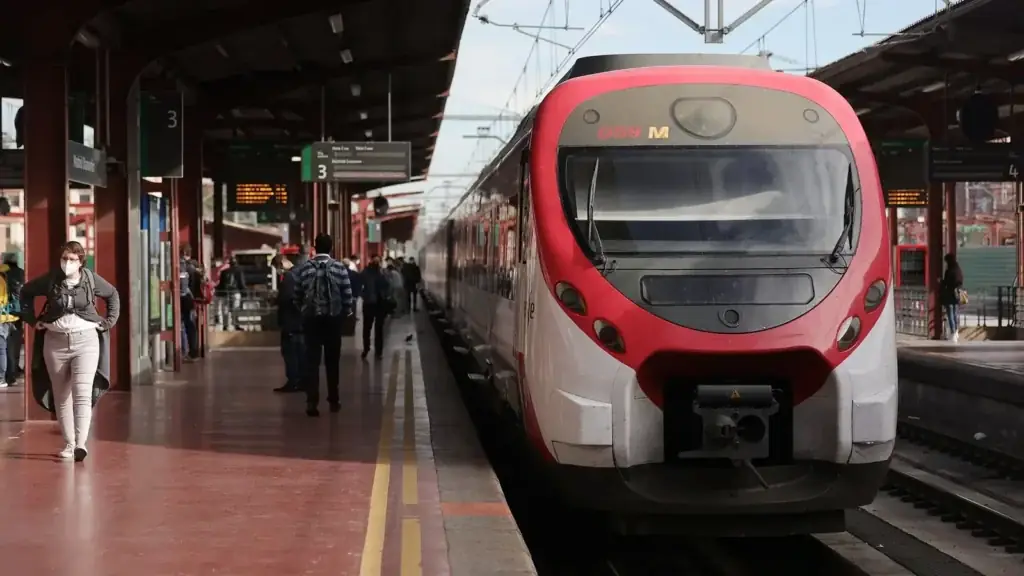
At its fundamental level, evaluating how to compare train booking platforms requires understanding that digital ticketing interfaces are not neutral, universal distributors of global rail inventory. The phrase describes the systematic evaluation of software applications, web portals, and aggregator APIs designed to search, price, reserve, and issue passenger train tickets across regional, national, and international railway networks.
The Illusion of Uniform Inventory Distribution
The surface perception of a train ticketing website frequently masks its underlying distribution constraints:
-
Surface Marketing Perception: A multi-country rail app promises a single-window checkout for any train journey across Europe or North America, displaying every available seat at standard carrier rates.
-
Realized Economic Reality: Platform service surcharges ($3 to $15 per ticket), dynamic currency conversion spreads (3% to 5%), restricted access to promotional domestic fare buckets, and limited cross-border routing capabilities transform an apparent unified marketplace into a segmented distribution channel.
Systematically evaluating modern ticketing engines involves separating interface design from backend inventory access. A platform featuring a modern mobile application might route through intermediate aggregators, adding latency and obscuring seat selection options. Conversely, a primary state-rail portal might lack intuitive multi-country connections but provides direct access to primary inventory pools and unadjusted statutory cancellation rights.
Corporate Strategies and Mismatched Expectations
The central mismatch in digital rail booking occurs when consumer expectations collide with corporate platform revenue models:
-
Base Carrier Fare vs. Platform Service Fee: While traditional rail operators sell tickets at statutory baseline tariffs, third-party aggregators frequently layer on variable ticketing commissions, seat reservation fees, and mandatory insurance upselling.
-
Primary CRS Access vs. Aggregator Latency: Direct carrier portals query central reservation databases instantly. Secondary aggregators relying on cached databases or secondary XML feeds face synchronization lags, leading to failed transactions or booking errors during high-demand release windows.
-
Cross-Border Continuity vs. Segment Fragmentation: Independent aggregators often stitch together separate domestic tickets for an international journey rather than issuing a single-contract international ticket. This fragmentation leaves passengers without automated protection under European or national passenger rights regulations if the first regional leg is delayed.
Analytical Errors in Platform Acquisition
Misunderstandings around digital rail booking tools typically stem from three analytical errors:
-
Assuming All Platforms Access the Same Fare Buckets: Travelers frequently assume that third-party ticket sellers offer identical promotional pricing to national rail operators. In practice, many aggregators fail to index regional promotional tariffs, youth/senior discount tiers, or specialized multi-journey carnet passes.
-
Failing to Factor Exchange and Refund Friction into Upfront Savings:s A platform offering a slightly lower booking fee may enforce strict non-refundable terms or charge punitive administrative fees for ticket exchanges, whereas booking directly through a national carrier allows free or low-cost automated refunds.
-
Ignoring Multi-Carrier Liability Limits: ts Booking multi-carrier itineraries through independent brokers rather than official carriers can create legal ambiguity regarding who bears financial responsibility when a missed connection occurs due to train delays.
Learning how to evaluate and compare train booking platforms effectively converts rail travel planning from an unpredictable digital search into a disciplined, highly controlled transit logistics strategy.
Deep Contextual Background: The Evolution of Rail Distribution
To understand why digital rail booking remains fragmented across national borders and software architectures, one must examine the historical evolution of passenger rail distribution over the past century.
-
Mid-20th Century (The Physical Station and Paper Ledger Era): Rail reservations relied on physical ticket counters, printed timetable books, and paper ledger seat charts maintained by national railway monopolies. Cross-border travel required coordinating separate national tickets through specialized travel agencies.
-
Late 20th Century (Computerized Reservation Systems): National operators digitized inventory by building proprietary mainframe Computer Reservation Systems (CRS) modeled after airline GDS networks. These systems operated in isolation, remaining deeply incompatible across international borders.
-
Early 21st Century (EU Liberalization and API Emergence): European Union rail market liberalization mandated open access to rail tracks and distribution data, paving the way for cross-border digital aggregators to build unified search engines over disparate national APIs.
-
Modern Era (Open Data, NDC Standards, and Mobile-First Ticketing): Platforms deploy advanced APIs, barcoded digital passes, and real-time seat-map selection engines. Simultaneously, national operators push direct-to-consumer mobile apps to bypass intermediary commissions.
The Economics of Distribution Fees and Interline Settlements
Traditional passenger rail networks operate under statutory public service obligations alongside commercial high-speed routes. When a third-party platform distributes a ticket, it negotiates commercial distribution agreements or API data-sharing terms with the operating railway.
Because national railways subsidize their own digital infrastructure through state funding or direct ticket sales, they frequently restrict third-party platforms from accessing promotional fare classes or require revenue-sharing margins. This dynamic explains why independent aggregators often add service fees or prioritize specific carriers to maintain commercial viability.
The Technical Challenges of Cross-Border Ticketing
Unlike aviation, which operates under globally standardized IATA clearinghouses and GDS rails, international rail remains anchored to regional infrastructure. A train traveling from Paris to Vienna crosses multiple national signaling zones, power systems, and distinct corporate reservation databases. Aggregators attempting to build seamless booking engines must reconcile conflicting data standards, divergent seat-allocation models, and varied ticket validation protocols.
Conceptual Frameworks and Mental Models for Rail Platform Evaluation
Evaluating digital rail platforms requires applying quantitative models that map baseline ticketing fees against inventory access, refund flexibility, and route continuity.
1. The Total Cost of Ticketing (TCT) Model
This framework calculates the true economic cost of a rail journey reservation by summing all mandatory platform fees, currency conversion markups, and unbundled seat reservation charges into a single comparison metric. The Total Cost of Ticketing is determined by combining the carrier base fare, platform booking surcharges, mandatory seat reservation fees, and payment gateway conversion spreads.
-
Application: A high-speed ticket advertised on an independent aggregator at 45 EUR appears cheaper than the 48 EUR rate on the official national carrier portal. However, the aggregator adds a 4.50 EUR service fee and a 3% currency conversion markup, bringing the total checkout cost to 50.85 EUR—making the official national carrier portal structurally cheaper.
-
Limitations: Requires verifying all checkout line items and fee structures before confirming payment.
2. The Inventory Access & Directness Hierarchy
This model evaluates a platform based on its proximity to the primary central reservation system (CRS) and its ability to display complete fare families:
-
Tier 1: Direct National Carrier Portals: Direct access to primary inventory, zero middleman markups, full access to promotional discounts, and automated statutory refund processing.
-
Tier 2: Authorized Multi-Carrier Distributors: Comprehensive cross-border search capabilities utilizing official APIs, carrying modest service fees or bundled subscription models.
-
Tier 3: Independent Third-Party Aggregators: User-friendly interfaces with advanced multi-modal routing, but subject to ticketing markups, cached data delays, and intermediary customer support hurdles.
-
Tier 4: Screen-Scraping Intermediaries: Unofficial platforms extracting data from public schedules; highly vulnerable to booking failures, synchronization errors, and lack of carrier backing.
3. The Ticket Flexibility & Contingency Matrix
This framework evaluates a platform’s post-purchase adaptability regarding exchanges, refunds, and disruption rebooking:
-
Fully Flexible Direct Channel: Permits instant self-service exchanges and 100% refunds via carrier app with zero administrative penalties.
-
Managed Intermediary Channel: Requires submitting refund or exchange requests through a third-party customer support queue, subject to platform processing lags and secondary service fees.
-
Non-Refundable Third-Party Lock: Restricts tickets to strict non-exchangeable terms, preventing recovery of funds when travel plans shift.
Primary Platform Categories, Platform Models, and Trade-Offs
Navigating the global rail booking market requires understanding the distinct operational categories, software architectures, and commercial terms available to modern consumers.
| Platform Category | Inventory Sourcing | Primary Advantages | Structural Vulnerabilities | Target Traveler Profile |
| Official National Operator Portals | Direct connection to primary Central Reservation Systems (CRS) | Lowest baseline fares, zero service fees, full promotional access, direct rebooking rights. | Restricted to a single national network or limited bilateral partner routes. | Domestic commuters, budget-conscious planners, regional travelers. |
| Pan-National & Cross-Border Aggregators | Multi-carrier API integrations (e.g., Trainline, Omio) | Unified multi-country search, seamless currency display, intuitive multi-modal routing. | Variable service fees, intermediary customer support layers, occasional inventory sync lags. | International vacationers, multi-city European travelers. |
| Specialized High-Speed Brokers | Direct B2B wholesale feeds and localized carrier agreements | Optimized for high-speed corridors (Eurostar, Shinkansen, TGV), simplified booking flows. | Narrower overall inventory scope outside specialized corridors. | Corporate travelers, high-speed rail commuters. |
| Rail Pass and Regional Syndicates | Fixed-quota inventory allocations (e.g., Eurail, Interrail) | Exceptional flexibility for unstructured multi-destination itineraries. | Mandatory seat reservation fees on high-speed trains, strict pass activation rules. | Backpackers, flexible explorers, long-duration travelers. |
| Global Travel Agency (OTA) Rail Feeds | Aggregated GDS rail modules | Integrated booking alongside flights and hotels within a single account. | Often route through third-party wholesalers, increasing support friction during delays. | Comprehensive vacation planners, business travel managers. |
1. Official National Operator Portals
Operated directly by state railways or national transit authorities (e.g., Deutsche Bahn’s DB Navigator, SNCF Connect, Amtrak), these portals represent the gold standard for primary inventory access. They sell tickets at exact statutory tariffs, charge zero booking commissions, and process electronic refunds directly through state clearinghouses. The primary limitation is their geographic focus, requiring users to navigate multiple separate national portals when booking complex multi-country journeys.
2. Pan-National and Cross-Border Aggregators
Platforms like Trainline, Omio, and Rail Europe aggregate schedules across dozens of national carriers into a single user interface. They simplify multi-modal journeys (combining trains, buses, and ferries) and normalize currency conversions. Their structural trade-off involves adding booking surcharges and acting as an intermediary layer, which can complicate customer service resolution during major transit strikes or weather disruptions.
3. Specialized High-Speed Brokers
These platforms focus heavily on high-density high-speed rail corridors, offering streamlined reservation flows tailored to international tourists. They excel at managing complex seat-selection maps and multi-passenger group bookings on premium trains, though their utility diminishes when branching out onto regional or rural rail lines.
4. Rail Pass and Regional Syndicates
Products like Eurail and Interrail operate on a subscription model, granting unlimited travel across participating national networks over specific time blocks. While offering immense spontaneity, modern high-speed operators require separate mandatory seat reservations (often carrying extra fees and limited quota allocations), adding hidden administrative steps to pass usage.
Detailed Real-World Scenarios and Operational Decision Points
Analyzing realistic rail scenarios illustrates how ticketing mechanics function in practice and highlights decision points when evaluating competing booking platforms.
The Cross-Border European Journey (Paris to Berlin)
A traveler plans a high-speed rail trip from Paris to Berlin, comparing booking options across a national carrier portal (SNCF/DB) versus a pan-national aggregator (Trainline).
-
Option 1 (Official National Carrier Portal – Deutsche Bahn): Direct booking lists the promotional fare at 69 EUR with zero service fees. The interface allows manual seat selection from a visual carriage map, and the ticket is linked directly to the user’s digital account for instant mobile scanning.
-
Option 2 (Pan-National Aggregator – Trainline): The same itinerary is listed at a 69 EUR base fare, but adds a 3.50 EUR ticketing service fee at checkout. However, the platform’s user interface is cleaner, stores all past multi-carrier tickets in a unified digital wallet, and provides push notifications for platform changes.
-
Operational Friction: Option 1 saves 3.50 EUR and guarantees direct carrier support during disruptions. Option 2 introduces a minor financial surcharge but provides superior cross-border interface organization.
-
Decision Path: Recognizing that direct carrier booking eliminates middleman fees and ensures direct rebooking rights during cross-border delays, the traveler books through the official national carrier portal.
The Multi-Leg Commuter Delay and Refund Claim
A passenger books a multi-leg journey through an independent third-party OTA, combining two separate regional train operators under a single digital booking confirmation.
-
Operational Friction: The first regional train suffers a 90-minute mechanical delay, causing the passenger to miss the scheduled connection on the second leg. Because the OTA issued two separate domestic tickets rather than a single international interline contract, the second carrier refuses to honor the ticket for the later evening departure.
-
Second-Order Effects: The passenger is forced to purchase a brand-new walk-up ticket out of pocket while the OTA’s customer support queue requires 48 hours to respond to refund inquiries.
-
Resolution Strategy: When booking multi-carrier or multi-leg journeys across regional networks, travelers must utilize official interline booking channels or ensure sufficient connection buffers, avoiding fragmented third-party ticket aggregation on tight transfer schedules.
Planning, Cost, and Resource Dynamics
Evaluating rail booking platforms requires analyzing direct ticketing tariffs, mandatory reservation fees, and indirect cost leakage.
| Cost Component | Typical Financial Outlay | Assessment Structure | Primary Mitigation Strategy |
| Carrier Base Tariff | Variable by distance & class | Statutory base price set by national railway operator | Book during early-release windows (typically 90 to 180 days out). |
| Platform Service Fee | $0 to $10 per ticket | Variable commission levied by third-party aggregators | Book directly through official national carrier web portals or apps. |
| Seat Reservation Surcharges | $0 to $15 per seat | Mandatory or optional fee to guarantee specific seats | Verify whether seat reservation is included in base fare before paying extra. |
| Currency Conversion Spreads | 2.5% to 5.0% markup | Hidden spread applied by aggregator payment gateways | Use zero-foreign-transaction-fee payment cards or local currency billing. |
| Ticket Exchange Penalties | $5 to $30 per change | Administrative fee for modifying travel dates/times | Purchase semi-flexible or fully flexible fare tiers if schedule volatility is high. |
| Rail Pass Activation Fees | $0 to $50 administrative | Processing fee for physical or digital pass issuance | Purchase passes directly during promotional zero-fee discount periods. |
Direct vs. Indirect Financial Leakage
The initial checkout quote represents only the opening phase of rail booking expenditure. Financial leakage occurs across several operational categories:
-
Aggregator Up-selling Tactics: Third-party ticketing apps frequently pre-select optional cancellation insurance, SMS notification fees, or paper ticket delivery surcharges during checkout, inflating the final payment total if not manually unchecked.
-
Dynamic Currency Conversion (DCC) Traps: International booking portals often detect foreign IP addresses or credit cards and prompt users to pay in their home currency, embedding hidden conversion spreads of 4% to 6% into the transaction.
-
Exchange Administration Penalties: Modifying cheap, highly restrictive promotional tickets through intermediary platforms can trigger administrative penalties that exceed the original ticket purchase price.
Tools, Strategies, and Support Systems
Selecting and optimizing rail booking platforms requires structured research techniques, timetable tracking tools, and operational audit routines.
Advance Timetable Release Tracking
National railway operators release advance tickets onto their central reservation systems according to strict seasonal schedules (often 60 to 180 days before travel). Utilize specialized rail alert tools or calendar reminders to track exact ticket release windows, securing the lowest promotional pricing tiers before inventory depletes.
Multi-Portal Fare Cross-Referencing
Before confirming any international or complex rail journey, cross-reference pricing across the official national carrier portal and leading pan-national aggregators. Compare whether service fees on aggregators are offset by user interface efficiencies or bundled multi-carrier routing tools.
Official Carrier App Tokenization
Download and configure the official mobile applications of the primary operating carriers (e.g., DB Navigator for Germany, SNCF Connect for France, Trenitalia for Italy) before travel. Digital ticket tokenization within official apps ensures offline barcode scanning capability, real-time platform change alerts, and instant mobile access during ticket inspections.
Risk Landscape and Failure Modes
Failing to analyze rail platform terms systematically can expose travelers to ticketing rejections, invalid reservations, and financial loss.
Selecting booking platforms without auditing terms frequently leads to unexpected transaction fees, compromised ticket validity, and unhelpful customer service during transit strikes. Unverified aggregators may issue invalid PDF printouts or fail to transmit seat reservations to operating carriers. Furthermore, relying on non-refundable tickets without travel insurance can result in complete forfeiture of funds during personal schedule changes.
1. The Intermediary Ticketing Synchronization Failure
Aggregators relying on secondary XML feeds occasionally experience synchronization lags with primary central reservation systems.
-
Impact: A user completes payment on a third-party app, but the central reservation system fails to issue the official PNR (Passenger Name Record) confirmation before the train departs, leaving the traveler stranded at the platform with an invalid barcode.
-
Mitigation: Always verify receipt of the official carrier-issued PNR confirmation code, and cross-check the booking directly within the operating carrier’s official mobile app.
2. Cross-Border Validation and Barcode Incompatibility
Certain regional and cross-border trains require specific digital barcode standards or physical ticket validation prior to boarding.
-
Impact: Travelers presenting a third-party aggregator PDF on a smartphone screen for a regional train that mandates physical ticket stamping at a station validation machine face severe onboard penalty fines from conductors.
3. Transit Strike and Disruption Rebooking Isolation
During major national rail strikes or severe weather events, operating carriers establish emergency rebooking protocols and full refund exemptions.
-
Impact: Passengers who booked through fragmented third-party intermediaries find themselves stuck in lengthy customer support queues, unable to process automated emergency refunds or secure seat reassignments on operating relief trains.
Governance, Portfolio Maintenance, and Platform Audits
Executing a methodical booking workflow safeguards travelers against hidden fees, poor route continuity, and financial loss.
| Booking Lifecycle Phase | Mandatory Governance Action | Target Operational Outcome |
| Pre-Booking Research | Cross-reference base fares between national carriers and aggregators | Eliminate unverified service fees and secure primary fare tiers. |
| Schedule Verification | Audit transfer windows and minimum connection times at hubs | Protect against missed connections caused by minor regional delays. |
| Ticket Issuance Audit | Verify official carrier PNR confirmation code and digital barcode | Guarantee valid entry into operating carrier central reservation systems. |
| Transit Execution Phase | Store digital tickets in official carrier apps and offline wallets | Ensure uninterrupted ticket inspection access during mobile data dead zones. |
The Pre-Departure Rail Verification Protocol
Before submitting a final booking payment, verify these core operational parameters:
-
Verify Official PNR Code: Confirm that the platform issues a genuine carrier reservation code rather than an internal agency tracking number.
-
Audit Seat Reservation Status: Confirm whether seat selection is guaranteed, optional, or included in the base fare tariff.
-
Review Refund and Exchange Rules: Read the specific fine print regarding cancellation deadlines, fee deductions, and voucher versus cash refund terms.
-
Check Baggage and Bicycle Policies: Verify whether the operating carrier enforces strict baggage piece limits or requires mandatory advance bicycle reservation permits.
Measurement, Tracking, and Evaluation Metrics
Tracking quantitative performance metrics ensures your rail booking strategy yields consistent financial and operational value.
| Metric Category | Specific Observational Indicator | Operational Benchmark Target |
| Pre-Booking Signal | Total Cost of Ticketing (TCT) Variance | Zero platform service fees or ticketing surcharges added to base fare |
| Pre-Booking Signal | Inventory Source Tier | 100% direct carrier bookings for primary domestic routes |
| Post-Travel Metric | Ticket Issuance Latency | Official carrier PNR generated and verified within 60 seconds of payment |
| Post-Travel Metric | Refund and Exchange Efficiency | Full statutory refund processed back to original payment card within 14 days. |
Leading Indicators (Pre-Booking Quality)
-
Direct Carrier Integration: Platforms that link directly to official carrier seat maps and real-time carriage layouts provide superior booking transparency.
-
Transparent Fee Disclosure: Portals that itemize carrier base tariffs, seat reservation fees, and taxes upfront demonstrate honest commercial practices.
Lagging Indicators (Post-Travel Evaluation)
-
Clean Financial Settlement: Bank statements reflect zero unverified conversion spreads, unexpected DCC markups, or disputed agency service charges.
-
Frictionless Onboard Validation: Digital barcodes and mobile tickets scan successfully on the first attempt by onboard conductors without hardware errors.
Common Misconceptions and Oversimplifications
Myths regarding rail booking platforms persist due to aggressive aggregator marketing, generalized travel advice, and confusing fare terms.
- Third-Party Apps Always Offer Cheaper Train Tickets Than Official Railway Sites
Independent aggregators add service fees, booking commissions, and currency conversion markups. Official national carrier portals always sell tickets at exact statutory baseline tariffs without middleman markups.
- All Trains Require Advance Seat Reservations
While high-speed intercity trains (such as Eurostar, TGV, or ICE) mandate seat reservations, the vast majority of regional, commuter, and inter-regional trains operate on open-seating systems where reservations are optional or entirely unavailable.
- Buying a Rail Pass Means You Can Board Any Train Without Extra Steps
Possessing a Eurail or Interrail pass grants boarding access to railway networks, but high-speed and international trains frequently mandate purchasing separate, quota-limited seat reservations for an additional fee.
- Booking Multi-Leg Journeys Through an OTA Protects You Against Missed Connections
If an online travel agency (OTA) stitches together two separate domestic tickets rather than issuing a single interline contract, neither carrier nor the OTA bears liability when a delayed first train causes you to miss the second connection.
- You Can Always Refund Non-Promotional Train Tickets Onboard
Promotional and discounted rail fares carry strict non-refundable or non-exchangeable conditions once the departure time passes. Failing to cancel or exchange a ticket before scheduled departure results in total forfeiture of ticket value.
Ethical, Regulatory, and Commercial Realities
Evaluating the digital rail distribution market involves recognizing the broader public service obligations, regulatory frameworks, and commercial realities governing passenger railways.
The passenger rail sector operates at the intersection of several conflicting forces:
-
Carrier and State Priorities: Maintaining reliable public transit infrastructure, subsidizing regional connectivity, and capturing direct-to-consumer digital bookings to fund state rail systems.
-
Aggregator and Tech Priorities: Maximizing transaction volume, unifying fragmented cross-border data APIs, and capturing booking commissions.
-
Passenger Expectations: Seeking low ticket prices, seamless multi-country routing, transparent fee disclosures, and robust consumer protection rights during disruptions.
European passenger rights regulations mandate strong compensation and rebooking protections for rail travelers, but these protections apply most reliably when tickets are booked directly through official carrier channels. Evaluating booking platforms thoughtfully—prioritizing direct state-operator portals for domestic segments and authorized multi-carrier distributors for complex cross-border routes—allows travelers to balance digital convenience with robust consumer protection rights.
Strategic Synthesis and Rail Governance
Evaluating and comparing train booking platforms successfully requires moving past slick user interfaces to analyze primary inventory access, ticketing API depth, service fee structures, and cross-border routing continuity. Securing true value in rail travel depends on disciplined pre-booking research, prioritizing direct official carrier channels, verifying PNR confirmation codes, and understanding regional refund regulations.
By auditing fee transparency, utilizing official carrier mobile apps, accounting for mandatory seat reservation rules, and maintaining contingency buffers on multi-leg journeys, travelers can experience seamless rail transit without absorbing excessive middleman costs or ticketing failures. Approaching rail booking with analytical rigor ensures that every journey is built on an accurate, cost-effective, and legally secure foundation.