The viticultural landscape of the United States encompasses extraordinary ecological diversity. A wine traveler can move from maritime, fog-cooled Pinot Noir benchlands in the Pacific Northwest to sun-drenched, gravelly Cabernet Sauvignon terraces in Northern California, or from high-elevation, wind-swept Rhône-varietal sites in the Southwest to cold-hardy hybrid vineyards overlooking the Finger Lakes of New York. This geographical breadth is governed by the Alcohol and Tobacco Tax and Trade Bureau (TTB), which defines AVAs based on specific climate, soil, elevation, and hydrological boundaries.
However, executing an analytical wine country itinerary introduces physical and operational complexities absent from standard leisure travel. Olfactory and gustatory senses fatigue rapidly; human sensory processing can rarely evaluate more than three to four flight tastings in a single day without severe palate saturation. Furthermore, the physical distance between estate vineyards in sprawling rural valleys requires precise transit planning, particularly when balancing alcohol consumption against regional driving laws and remote mountain canyon roads.
Ultimately, evaluating top wine regions requires synthesizing agricultural science, transport logistics, and economic transparency. By examining AVAs through the lenses of terroir fidelity, cellar door accessibility, and structural transparency rather than promotional point scores, travelers can select destinations that match their intellectual curiosity and personal palate preferences while supporting sustainable agricultural tourism across America’s growing regions.
Understanding “top wine country tours in America.”
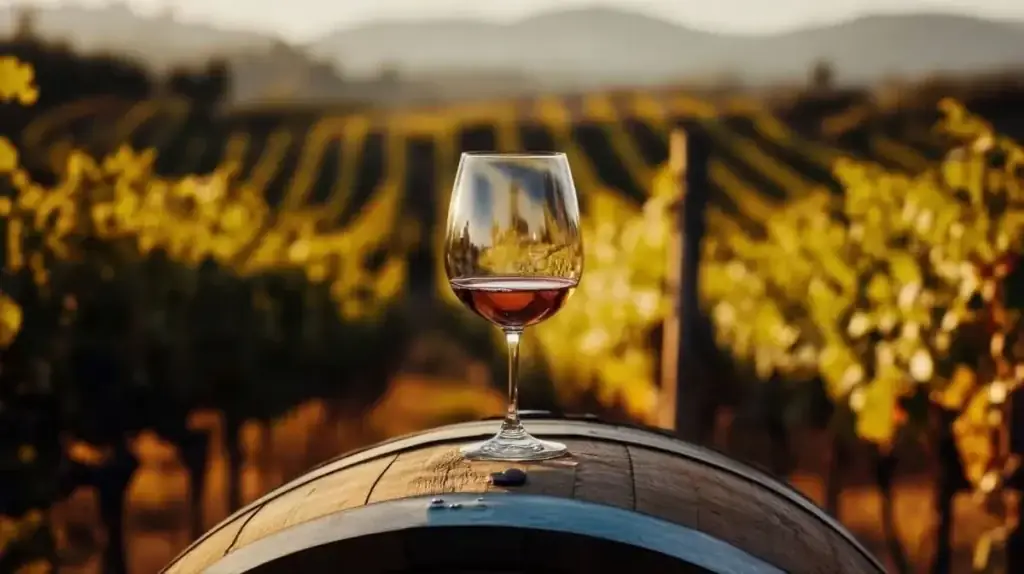
Analyzing the phrase top wine country tours in America requires evaluating objective agricultural indicators, AVA classification systems, and regional hospitality models alongside personal palate preferences. The phrase is frequently oversimplified as a search for high-end Napa Valley limousines or weekend party buses. In professional wine education, regional viticulture, and travel architecture, evaluating wine country experiences involves a multi-layered assessment of estate viticulture, winemaker access, flight composition, and geographic transport logistics.
Perspectives Across the Viticultural Ecosystem
-
The Consumer and Collector Perspective: For wine enthusiasts, top wine country tours in America represent opportunities to sample limited-production estate allocations, evaluate library vintages, and understand how specific vineyard blocks reflect soil and climate nuances. Travelers seek transparent tastings, knowledgeable cellar door educators, and direct access to production facilities.
-
The Winemaker and Viticulturist Perspective: For producers, wine tourism serves as a critical direct-to-consumer (DTC) sales engine and brand-building platform. Winemakers balance visitor access against active vineyard operations, protecting aging barrel rooms from bacterial contamination while managing daily guest volume so that agricultural work remains uninterrupted.
-
The Regional Hospitality and Logistics Perspective: For local tour operators, private chauffeurs, and regional hospitality boards, wine country travel requires managing road safety, appointment scheduling, seasonal overcrowding, and environmental zoning rules. Operators structure routing logistics to minimize transit times between estates while enforcing designated driver compliance across rural valley corridors.
Common Misunderstandings and Oversimplification Risks
A widespread error among casual visitors is assuming that high tasting fees automatically correlate with superior wine quality or educational depth. In saturated, ultra-luxury AVAs, elevated tasting prices often reflect high real estate overhead and luxury interior design rather than exceptional winemaking. Conversely, smaller, family-owned estates in secondary AVAs may charge nominal tasting fees while offering pours of world-class, site-expressive wines directly from the proprietor.
Another major risk is over-scheduling estate appointments within a single day. Booking five intensive tasting flights across disparate micro-climates creates severe time pressure, rushing cellar tours, increasing transit friction, and causing sensory numbness. Treating a wine region like an urban museum marathon prevents meaningful engagement with the agricultural landscape and the winemaking staff.
Deep Contextual Background: The Evolution of American Viticulture
To understand how American wine regions developed their distinct identities, one must trace the historical shifts from early colonial experimentation and European immigrant plantings to Prohibition-era destruction, the mid-century renaissance, and modern climate adaptation.
1. Colonial Experimentation and European Plantings (17th–19th Century)
Early American settlers attempted to cultivate imported Vitis vinifera vines along the Eastern seaboard, but native diseases (such as phylloxera and black rot) continuously decimated European rootstocks. Winemaking succeeded only when producers turned to native species (Vitis labrusca) or crossed native and European varieties. Meanwhile, Franciscan friars introduced the Mission grape to California and the Southwest, establishing early vineyard irrigation systems along river corridors and laying the foundation for Western commercial viticulture.
2. The Golden Age, Prohibition, and Rebuilding (1880s–1960s)
By the late 19th century, regions like Napa, Sonoma, and the Santa Clara Valley were producing internationally recognized wines, supported by research from the University of California. However, the passage of the 18th Amendment in 1919 (Prohibition) devastated the industry. Vineyards were uprooted or converted to low-quality table grapes for home winemaking, and hundreds of historic wineries closed permanently. The industry remained stagnant for decades until pioneers in the late 1960s reinvested in modern stainless-steel temperature control, French oak barrel aging, and precise varietal labeling.
3. The Judgment of Paris, AVA Legislation, and Global Prominence (1976–Present)
The historic 1976 Judgment of Paris tasting—where California Cabernet Sauvignons and Chardonnays triumphed over top French estates in a blind evaluation—shattered global perceptions of American winemaking. To formalize regional identity, the federal government established the AVA system in 1980, starting with Augusta, Missouri, followed rapidly by Napa Valley. Over subsequent decades, regions across Oregon, Washington, New York, Texas, and Virginia secured distinct AVA recognitions, establishing a nationwide mosaic of world-class viticultural destinations.
Conceptual Frameworks and Mental Models
Applying structured mental models enables wine travelers and regional researchers to evaluate terroir nuances, transport logistics, and sensory limits across American wine regions.
1. The Terroir-to-Market Distance (TMD) Model
An analytical framework that measures the balance between a wine region’s authentic agricultural focus and its commercial tourism saturation.
-
Formula:
TMD = (Commercial Real Estate Overhead Index x Tourist Volume) / Total Vineyard Acreage under Estate Cultivation -
Application: An AVA with a high TMD index (e.g., commercial valley strips of prime resort regions) features high tasting fees, luxurious non-agricultural architecture, and heavy weekend traffic, often sourcing grapes from external bulk growers. An AVA with a low TMD index features working barn cellars, direct access to dirt-footprint vineyards, and low tasting fees, providing high agricultural authenticity.
-
Limitation: High-TMD regions may still contain historic, high-integrity estate properties hidden behind major commercial corridors.
2. The Palate Saturation Curve
This sensory management model calculates daily tasting limits to prevent olfactory and gustatory fatigue.
-
Category A (Optimal Sensory Clarity): 1 to 2 estate appointments per day; maximum 8 to 10 individual pours total; 90-minute buffers between appointments featuring full water hydration and protein-rich meals.
-
Category B (Moderate Sensory Fatigue): 3 estate appointments per day; 12 to 15 pours; minor loss of acid and tannin discrimination by mid-afternoon.
-
Category C (Severe Sensory Numbness): 4 or more appointments per day; 18+ pours; total loss of palate acuity, rendering high-end flight evaluations ineffective.
Strategic planning dictates structuring itineraries strictly within Category A or conservative Category B targets to preserve sensory judgment.
3. The Diurnal Variation Matrix
A viticultural climate model that evaluates how temperature swings between day and night shape wine styles across specific AVAs.
-
Application: Regions with high diurnal variations (e.g., 40°F drops at night, common in high-altitude or gap-influenced coastal AVAs) preserve natural grape acidity while allowing long, warm daytime sun to ripen sugars and tannins. This balance yields fresh, long-aging, food-friendly wines. Understanding an AVA’s diurnal shift helps travelers anticipate whether a region produces rich, high-alcohol wines or crisp, elegant styles.
Key Categories of Viticultural Regions and Strategic Trade-Offs
Developing a framework for understanding options for top wine country tours in America requires categorizing regions by their climatic profile, primary grape varietals, structural maturity, and hospitality models.
1. Maritime-Influenced Coastal Valleys
Cool-climate coastal valleys where ocean fog and marine breezes enter through mountain gaps, ideal for Pinot Noir, Chardonnay, and Syrah.
-
Trade-Offs: Exceptional natural acidity, elegant wine structures, and beautiful coastal topography, balanced by unpredictable fog weather, high real estate costs, and dispersed vineyard sites.
2. High-Solar Warm-Climate Benchlands
Sun-drenched valley floors and volcanic hillside benches that deliver maximum solar heat units, optimized for Cabernet Sauvignon, Merlot, Zinfandel, and Bordeaux blends.
-
Trade-Offs: Rich, full-bodied, age-worthy wines and world-class luxury estate infrastructure, offset by premium tasting prices, heavy weekend traffic, and strict reservation barriers.
3. High-Altitude Continental Plateaus & Rain-Shadow Valleys
Arid interior regions shielded from coastal storms by mountain ranges, utilizing high elevation and irrigation to cultivate Cabernet, Syrah, Grenache, and Riesling.
-
Trade-Offs: High diurnal shifts, bold fruit profiles, dramatic desert/mountain backdrops, and accessible tasting fees, balanced by long driving distances between wineries and variable winter weather.
4. Glacial Lake and Riverine Terraces
Cool-climate eastern and midwestern regions shaped by deep glacial lakes or river channels that moderate winter freezes, specializing in Riesling, Cabernet Franc, and cold-hardy hybrids.
-
Trade-Offs: High aromatic purity, vibrant acidity, low commercial pretense, and affordable tasting fees, paired with variable vintage conditions driven by summer humidity and autumn frost risks.
5. Historic High-Elevation Granite and Volcanic Slopes
Historic foothill and mountain regions featuring iron-rich soils, old-vine plantings, and high elevation, producing Zinfandel, Barbera, and Rhône varieties.
-
Trade-Offs: Deep historical roots, unpretentious family-owned cellars, robust food-friendly wines, and low crowd density, offset by winding mountain road transit and limited luxury lodging.
| Viticultural Category | Primary Climate Driver | Dominant Varietals | Hospitality & Access Model | Representative Regions |
| Maritime Coastal | Marine fog & ocean gaps | Pinot Noir, Chardonnay, Syrah | Appointment-only, estate focus | Willamette Valley, OR; Russian River, CA; Santa Rita Hills, CA |
| High-Solar Warm Bench | Sustained thermal units | Cabernet Sauvignon, Bordeaux | Luxury reservations, private hosts | Napa Valley, CA; Alexander Valley, CA; Moon Mountain, CA |
| Rain-Shadow Plateau | Arid / High diurnal shift | Cabernet, Syrah, Grenache, Merlot | Walk-in & reserved hybrid models | Walla Walla, WA; Red Mountain, WA; Columbia Gorge, WA |
| Glacial Lake Terraces | Lake moderation / Cool | Riesling, Cabernet Franc, Hybrids | Casual cellar doors, family-led | Finger Lakes, NY; Old Mission Peninsula, MI; Niagara Escarpment, NY |
| Historic Volcanic Slopes | Altitude & granite soils | Zinfandel, Rhône blends, Barbera | Low-fee, proprietor-poured | Sierra Foothills, CA; Shenandoah Valley, VA; Texas High Plains, TX |
Realistic Decision Logic
When selecting a wine region for an analytical tour, execute the following logical sequence:
-
Match Varietal Preferences to Climate: Align your preferred grape varieties with correct climate structures (e.g., select cool maritime AVAs for Pinot Noir; warm volcanic benches for Cabernet; glacial terraces for dry Riesling).
-
Audit Access Barriers & Budget: Determine whether you prefer walk-in, low-cost tasting rooms run by winemakers or high-end, appointment-only estate seated flights requiring booking.
-
Calculate Transit Radius: Choose a region where estate vineyards are concentrated within a 15-mile radius to minimize driving times and maximize safety.
-
Check Harvest Timing: Plan visits during late spring or early summer for low crowd interaction, or during autumn harvest (September–October) to witness production, accepting higher rates and busy staff.
Detailed Real-World Scenarios
Navigating a Cool-Climate Maritime Valley
-
Context: A group of collector travelers plans a three-day survey of cool-climate Pinot Noir and Chardonnay across a premier Pacific Northwest valley.
-
Constraints: Vineyard sites are scattered across multiple sub-AVAs; morning fog keeps temperatures cool until midday; top single-block producers require reservations.
-
Execution Strategy: The group selects a central base in a small viticultural town, booking two estate tastings per day (one at 10:30 AM, one at 2:00 PM) within a single sub-AVA per day to avoid cross-valley driving. They utilize a private hired driver.
-
Outcome: Deep exploration of single-vineyard clone variations, zero driving stress, complete absence of palate fatigue, and meaningful dialogue with cellar masters.
Managing High-Density Luxury Estate Corridors
-
Context: A couple visits a world-famous California valley known for ultra-premium Cabernet Sauvignon during peak autumn harvest.
-
Constraints: Tasting fees average $150–$300 per person; valley floor highways experience heavy weekend traffic congestion; top properties book out 90 days in advance.
-
Failure Mode: Booking four daily appointments across opposite ends of the valley without traffic buffers, spending three hours stuck in valley traffic, arriving late for appointments, and absorbing $1,000 in tasting fees with an exhausted palate.
-
Alternative Strategy: Selecting two hillside or benchland producers concentrated along a quiet side road, securing morning appointments, budgeting 2.5 hours per visit, and enjoying an extended mid-day lunch at an estate with outdoor grounds.
Exploring an Emerging Eastern Glacial Lake AVA
-
Context: Wine lovers explore dry Riesling and Cabernet Franc across a mid-Atlantic glacial lake region over a long weekend.
-
Constraints: Wineries span both sides of a 40-mile-long lake; road speeds are low; estate quality varies from commercial sweet-wine operations to cutting-edge dry Vitis vinifera producers.
-
Execution Strategy: The travelers research producers working with estate-grown Vitis vinifera and organic canopy management, booking tastings along a single lake shore per day. They focus on casual, proprietor-led flight tastings.
-
Outcome: Exceptional cost-to-quality ratio, direct access to founding winemakers, scenic lake-side driving, and discoveries of high-acid, age-worthy white wines at modest prices.
Planning, Cost, and Resource Dynamics
Executing a wine country itinerary requires managing budget allocations across distinct regional cost profiles, accounting for high seasonal pricing swings, transit choices, and shipping dynamics.
Wine Country Cost Structure Comparison
| Expense Category | Ultra-Luxury Benchmark AVAs (e.g., Napa Floor) | Mature Coastal & Northwest AVAs (e.g., Willamette, Sonoma) | Emerging & Eastern AVAs (e.g., Finger Lakes, Sierra Foothills) |
| Estate Tasting Fees | $100 – $350+ / person | $40 – $100 / person | $15 – $35 / person |
| Peak Lodging | $600 – $1,500+ / night | $250 – $600 / night | $120 – $280 / night |
| Dining Outlays | Very High (Michelin focus) | Moderate to High | Reasonable / Local-focused |
| Private Transit Driver | $75 – $125 / hour | $60 – $90 / hour | $45 – $70 / hour |
Direct vs. Indirect Costs of Wine Touring
Total Expenditure Breakdown:
-
Direct Cash Outlays:
-
Seated flight tasting fees and private cave tour charges
-
Accommodations within or immediately adjacent to key vineyard corridors
-
Dedicated chauffeured transportation or regional shuttle hires
-
Bottle purchases, estate allocations, and direct-to-consumer (DTC) shipping fees
-
-
Indirect and Operational Costs:
-
Temperature-controlled shipping supplies (e.g., styrofoam or pulp shippers, ice packs)
-
Transit time lost navigating slow-moving rural agricultural equipment on two-lane roads.
-
Weather risks during late harvest (early rain, frost, or wildfire smoke impacts)
-
Excess baggage fees charged by commercial airlines for carrying wine-check luggage
-
-
The Tasting Fee Waiver Trap: Many wineries waive tasting fees if a guest purchases a minimum quantity of wine or joins their monthly bottle club. While attractive, joining multiple wine clubs across several estates introduces long-term recurring shipping costs and bottle accumulation that can rapidly exceed initial travel budgets.
-
The Temperature-Controlled Shipping Reality: Purchasing fine wine during hot summer months requires temperature-controlled, refrigerated freight services (“summer solution” shipping) to prevent heat damage (cork pushing or wine cooking). Budgeting for specialized shipping protects your investment during transit.
Tools, Strategies, and Support Systems
Navigating American viticultural regions efficiently requires specialized spatial mapping apps, climate monitors, and wine management platforms.
Essential Technical and Mapping Tools
-
Official AVA Spatial Boundary Maps: Interactive GIS mapping databases showing exact sub-AVA lines, elevation contours, and vineyard block boundaries.
-
Cellar Management & Tasting Apps: Mobile platforms for cataloging tasting notes, scanning labels, tracking estate ratings, and managing bottle inventories.
-
Local Micro-Climate Weather Portals: Agricultural weather tools tracking real-time wind speeds, marine fog lines, and localized temperature shifts across valley sub-zones.
Actionable Operational Strategies
-
The Two-Tasting Daily Maxima: Restricting daily estate visits to a maximum of two properties—one morning, one afternoon—to guarantee full sensory focus and eliminate schedule friction.
-
The Designated Driver or Chauffeur Mandate: Hiring a professional local driver or utilizing dedicated tour operators for all tasting days, ensuring safety and compliance with regional driving laws.
-
The Hydration and Protein Balance Protocol: Consuming a 1:1 ratio of water to wine by volume and eating protein-rich meals between tastings to slow alcohol absorption and preserve palate sharpness.
-
The Winery-Direct Shipping Strategy: Utilizing consolidated wine-shipping services or airline-approved protective wine suitcases to transport purchases home safely rather than carrying loose bottles in hand luggage.
Risk Landscape and Failure Modes
Exploring wine regions involves sensory, logistical, and financial risks that can degrade an itinerary if planning fails to account for viticultural realities.
Failure Escalation Sequence
-
First Phase: Over-booking three dense morning tasting appointments across distant valley points.
-
Second Phase: Traffic congestion behind agricultural vehicles creates schedule delays; tastings are rushed.
-
Third Phase: Sensory saturation sets in; high alcohol intake without adequate food causes physical fatigue.
-
Fourth Phase: Impulsive, expensive bottle purchases made with impaired judgment, followed by transit stress and total loss of regional appreciation.
Primary Risk Vectors
-
Palate Burnout & Olfactory Fatigue: Over-tasting high-alcohol or high-tannin wines early in the day, disabling your sensory discrimination for subsequent flights.
-
Harvest Traffic and Road Friction: Driving two-lane vineyard roads during peak autumn harvest, encountering slow tractors, grape harvesters, and heavy truck transport.
-
Extreme Climate and Smoke Disruptions: Late-season heatwaves accelerating harvest stress, early autumn frosts damaging unharvested fruit, or wildfire smoke impacting vineyard access and sensory conditions.
Governance, Maintenance, and Long-Term Adaptation
Preserving the authenticity of American viticultural landscapes requires continuous land-use governance, environmental stewardship, and sustainable tourism frameworks.
Pre-Trip Viticultural Audit Checklist
-
Confirm Tasting Appointments: Verify digital or written confirmations for all seated estate flights, noting cancelation policies.
-
Secure Dedicated Transportation: Reserve a local chauffeured driver, private tour guide, or designated non-tasting driver.
-
Audit Regional Climate & Layering: Pack layered clothing suitable for cool, fog-laden mornings and warm afternoon valley sun.
-
Prepare Wine Transit Gear: Procure certified wine-check luggage or establish direct winery shipping accounts.
-
Review AVA Sub-Zone Maps: Map out daily tasting routes within single sub-AVAs to eliminate unnecessary cross-valley driving.
Strategy Trigger Points
Update your viticultural travel approach whenever any of the following occur:
-
Shift in AVA Tasting Policies: Wineries transitioning from open walk-in bar tastings to mandatory appointment-only seated flights.
-
Micro-Climate Weather Shifts: Sudden heatwaves or autumn storms altering vineyard harvest schedules and winery staff availability.
-
Changes in Inter-State Shipping Laws: Revisions to state-by-state direct-to-consumer (DTC) shipping regulations that affect how wine can be sent to your home address.
Measurement, Tracking, and Evaluation
Evaluating the success and depth of a wine country journey involves tracking quantitative logistical metrics alongside qualitative sensory and educational gains.
Key Operational Metrics
-
Tasting Efficiency Index (TEI): Measures the time spent actively learning and tasting versus transiting between estates.
-
Formula:
Hours Spent at Estates / Total Daily Tour Hours -
Target: Maintain TEI above 0.70 by grouping appointments geographically within single sub-AVAs.
-
-
Palate Value Ratio (PVR): Evaluates the financial cost of a tasting relative to the quality, rarity, and education provided.
-
Formula:
(Retail Value of Flights Poured + Educator Time Value) / Total Tasting Fee Assessed -
Target: Seek high PVR properties where tasting fees provide access to rare library vintages, barrel samples, and expert winemaker dialogue.
-
Qualitative Viticultural Assessments
-
Terroir Differentiation Mastery: Assessing whether the tour enabled you to identify clear flavor, acid, and tannin differences driven by specific soils, elevations, and micro-climates.
-
Environmental Stewardship Engagement: Evaluating whether visited estates employ sustainable, organic, or biodynamic farming practices that protect long-term soil health.
Common Misconceptions and Oversimplifications
-
Myth: The most famous, high-priced wine regions always produce the best quality wines.
-
Correction: High price tags often reflect real estate costs and brand marketing; emerging AVAs with lower land overhead frequently produce wines of equal or superior viticultural integrity at a fraction of the cost.
-
-
Myth: Wine tasting is strictly a fall activity during harvest season.
-
Correction: Fall harvest brings heavy crowds, busy staff, and high rates. Spring and early summer offer lush green canopy scenery, relaxed winemakers, and lower lodging tariffs.
-
-
Myth: You must be a trained wine expert to enjoy high-end estate tours.
-
Correction: Reputable cellar doors welcome curious novices; great winemakers and educators take pride in explaining their craft clearly without pretension.
-
-
Myth: Drinking water between tastings dilutes your palate.
-
Correction: Water is essential for flushing away residual tannins and acids, rehydrating sensory receptors, and keeping your palate sharp throughout a tasting flight.
-
-
Myth: All wines produced within a single famous AVA share the same flavor profile.
-
Correction: Micro-climates, soil variations (volcanic vs. alluvial vs. limestone), elevation differences, and winemaker techniques create distinct flavor profiles even among neighboring vineyard plots.
-
-
Myth: Buying wine at the winery is always cheaper than buying it at a local retail shop.
-
Correction: Wineries maintain suggested retail pricing at their cellar doors to avoid undercutting their wholesale retail partners, though winery visits grant access to exclusive estate-only allocations unavailable in stores.
-
Ethical, Practical, and Contextual Considerations
Exploring American wine country carries obligations regarding agricultural respect, environmental stewardship, and regional economic support.
Vineyards are working farms. Walking into private vineyard rows without permission can spread dangerous agricultural pests (such as Phylloxera or Glassy-Winged Sharpshooters) carried on footwear. Staying on designated visitor paths and observing biosecurity guidelines protects delicate vine health.
Furthermore, supporting producers who practice sustainable, organic, or biodynamic farming, conserve water in arid basins, and provide fair living wages for agricultural vineyard workers helps ensure that America’s viticultural regions remain healthy and vibrant for generations to come.
Conclusion
Understanding the structural dynamics of American viticulture and selecting appropriate regions for top wine country tours in America requires moving beyond glossy marketing to evaluate climate science, AVA geography, and transport logistics. As domestic wine growing matures and climate patterns shift, travelers must rely on spatial awareness, sensory pacing, and objective evaluations rather than social media trends.
Sustained satisfaction in wine touring comes from matching varietal preferences to correct climate profiles, whether cool maritime coastal valleys, high-solar volcanic benchlands, or glacial lake terraces, while structuring low-friction, geographically focused itineraries. By prioritizing sensory clarity, supporting high-integrity producers, and respecting working agricultural landscapes, travelers can engage deeply with North America’s premier wine regions. Ultimately, mastering wine country travel is not about collecting prestigious labels; it is about understanding the land, honoring the craft, and taking thoughtful control of your journey through the vineyard.